The 1% Club: Why Bank of America’s 200,000 Applicants Are Terrified of the Future
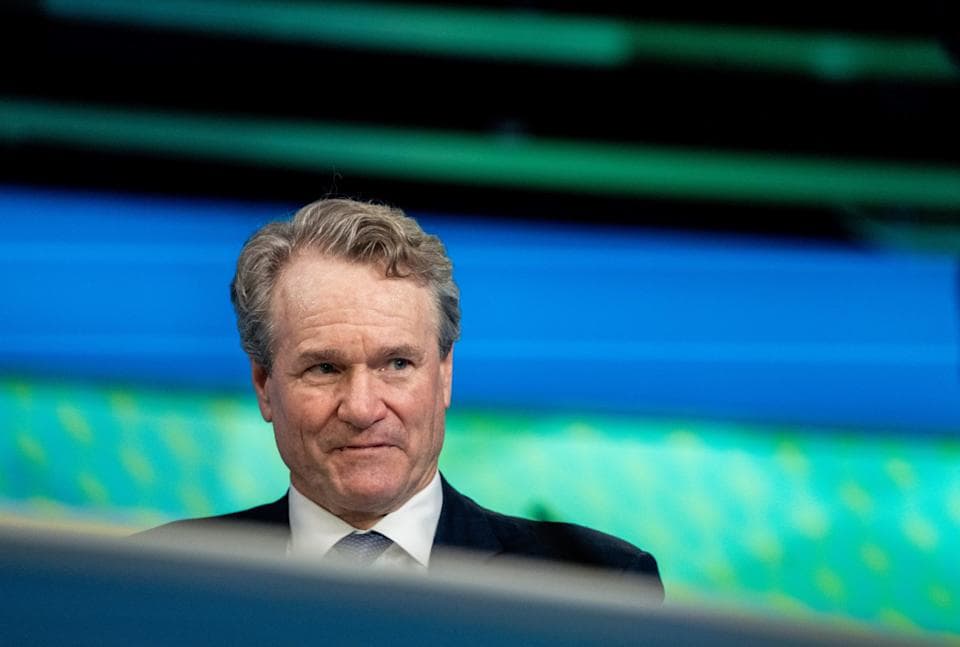
Bank of America CEO Brian Moynihan revealed a shocking statistic: 200,000 applicants fought for just 2,000 jobs, resulting in a 1% acceptance rate. Learn why the "lucky" few who made the cut are still terrified about their future and what this "flight to safety" means for the economy.
Getting into Harvard is hard. Getting into Bank of America might be harder.
In a recent revelation that has sent shockwaves through the financial sector, Bank of America CEO Brian Moynihan confirmed a staggering statistic: the banking giant received over 200,000 applications for its entry-level positions this year.
They hired just 2,000.
That is a 1% acceptance rate—making an entry-level job at BofA more exclusive than almost any Ivy League university. But the real story isn't the rejection rate; it’s what Moynihan said about the lucky few who made the cut. Despite landing one of the most coveted roles in finance, these Gen Z graduates are reportedly "scared" about what lies ahead.
Why is the most educated generation in history entering the workforce with such profound anxiety?
The Numbers Game: A 1% Probability
To understand the fear, you have to look at the math. The sheer volume of applications signals a desperate flight to quality. In a volatile economic environment, Gen Z isn't looking for the "next big startup" or the "crypto moonshot"—they are hunting for a fortress.
- The Stat: 2,000 hires from 200,000 applicants.
- The Reality: For every one person sitting in a BofA analyst chair, 99 others were turned away.
- The Implication: This level of competition creates a "scarcity mindset" before day one even begins.
Moynihan noted that this intake isn't just looking for a paycheck; they are looking for a shield against economic uncertainty.
Why Are They Scared? (It’s Not Just the Economy)
Moynihan’s comments highlight a paradox: these hires have "made it," yet they remain anxious. Based on current workforce data, this fear stems from three specific converging pressures:
1. The "Forever Instability"
Unlike previous generations who saw banking as a boring but safe bet, Gen Z has come of age during a pandemic, a tech recession, and a period of historic inflation. They don't trust that "safe" jobs are actually safe. The fear isn't just about getting the job; it's about the rug being pulled out from under them six months later.
2. The AI Shadow
Finance is ground zero for AI disruption. While these 2,000 grads are learning Excel shortcuts and financial modeling, they are acutely aware that algorithms are being trained to do the same tasks faster and cheaper. The anxiety Moynihan references is likely a form of "career obsolescence" fear—the worry that their entry-level skills will be automated before they can climb the ladder.
3. The Cost of Living Crisis
Even with a competitive banking salary, the goalposts for financial security have moved. High interest rates and skyrocketing housing costs mean that a "good job" no longer guarantees the traditional markers of success (like buying a home) that it did for Gen X or Boomers.
The Bottom Line: The "Prestige Trap"
Here is the expert takeaway you won’t hear on the earnings call.
The 1% acceptance rate is a double-edged sword for the economy.
When 200,000 of the brightest young minds are fighting for 2,000 spots in a legacy bank, it signals a massive risk aversion in the talent market. We are seeing a brain drain away from innovation and entrepreneurship toward corporate safety.
If the "best and brightest" are too scared to take risks, who builds the next Amazon, Google, or Tesla? The anxiety Moynihan sees is a symptom of a generation that feels it cannot afford to fail. They are choosing the life raft (BofA) because they believe the ship (the broader economy) is sinking.
What This Means for Business Leaders
This isn't just a Bank of America story; it's a bellwether for the entire white-collar economy.
- For Employers: You can no longer rely on salary alone to retain talent. You must provide a clear, undeniable roadmap for career stability and upskilling to counter AI anxiety.
- For Applicants: The "spray and pray" method of applying to 200,000 jobs is broken. Specialization and networking are the only ways to bypass the 1% filter.
Stay informed
Get our latest articles delivered to your inbox.
Related Articles
Warren Buffett’s son says he didn’t know his dad was a billionaire until he was in his 20s—and his friends were just as surprised
Why Warren Buffett’s Son Had to Read a Magazine to Learn He Was Rich
Elon Musk Predicts Retirement Will Vanish in 20 Years—Here’s Why
"Saving for retirement will be irrelevant," Musk declared.
The Big Chill: US Job Openings Hit Lowest Level in Over a Year
US job openings have plunged to 7.1 million, the lowest level in over a year, shifting the labor market into a "low-hire, low-fire" stagnation. Discover what the latest JOLTS report reveals about the end of the Great Resignation and why employers now hold the leverage in a 0.91 ratio economy.
Oil Markets Crash to 2020 Lows: Why the Geopolitical "Fear Factor" is Gone (And What It Means for Russia)
Oil prices are on track for their worst annual performance since 2020, with WTI dropping to $58. Discover why the "geopolitical fear premium" has vanished and how a 50% revenue plunge is crushing Russia's war economy.