Musk Overruled Engineers on Tesla Door Design Despite Safety Warnings, Report Reveals
A groundbreaking investigation reveals that Elon Musk reportedly ignored safety warnings from engineers to prioritize the sleek, electronic door handles that have now been linked to at least 15 fatalities. Learn why Tesla’s minimalist design is facing a massive federal investigation as drivers find themselves trapped in burning vehicles.
In the early morning of a cold December day, a Virginia State Trooper found himself frantically swinging a baton at the window of a burning Tesla Model Y. Inside, a driver was trapped; the vehicle’s futuristic, flush-mounted door handles—once the hallmark of Tesla innovation—had become useless pieces of dead plastic.
The low-voltage power system had been severed during the impact, rendering the electronic latches inoperative. This dramatic rescue, captured on dashcam, is no longer an isolated "edge case."
A groundbreaking investigation by Bloomberg has revealed a haunting reality: at least 15 people have died in U.S. accidents where they were unable to exit their Teslas because the doors failed to open.
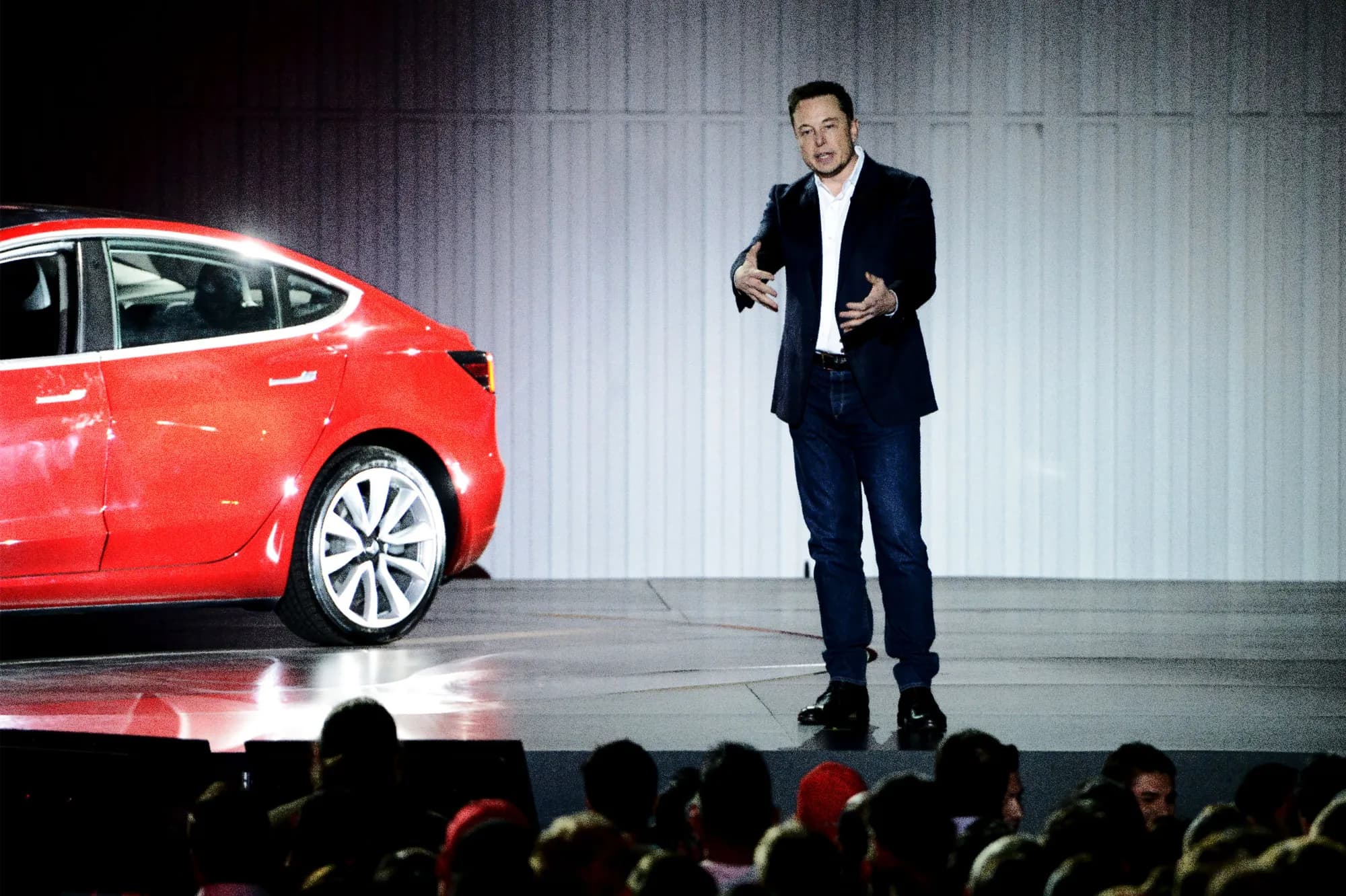
At the heart of this safety crisis is a design philosophy championed by CEO Elon Musk, who reportedly insisted on the sleek, electronically controlled doors despite early warnings from his own engineering team.
For tech enthusiasts and safety advocates alike, the "Why" behind this topic is critical: it explores the dangerous intersection where high-stakes aesthetics meet life-and-death engineering.
By the end of this article, you will understand the technical flaws in Tesla’s door architecture and the mounting regulatory pressure that may force a total redesign of the world's most popular EVs.
The Aesthetic Obsession: "Computers on Wheels" and Flush Handles
Elon Musk has always envisioned Tesla vehicles as "computers on wheels," moving away from the "clunky and archaic" mechanical linkages of the 20th century. During the development of the Model 3 and Model Y, Musk insisted that everything should be controlled through a touch of a button or a tap on a screen—including the door latches.
Form Over Function
Engineers working on these projects reportedly raised a "critical red flag" early in the design process. They warned that without a reliable, intuitive mechanical backup, passengers could be trapped if the vehicle lost power. Musk, however, prioritized a "minimalist and cool" aesthetic. The result was the famous flush-mounted handle, which stays tucked into the car’s body for better aerodynamics and a "futuristic" look.
- The Rejection of Mechanics: Traditional door handles use a cable or rod to physically unlatch the door. Tesla replaced this with an electronic actuator.
- The Power Requirement: Because these handles are electronic, they require a constant stream of power from the car's 12-volt battery to function.
The 12-Volt Trap: Why Tesla Doors Fail Post-Crash
Most drivers assume that as long as the main "big" battery is charged, the car will work. However, Teslas rely on a smaller, lead-acid or lithium-ion 12V battery to run auxiliary systems like lights, touchscreens, and—crucially—door locks.
The Fatal Vulnerability
In a severe collision, the 12-volt battery is often the first component to be crushed or disconnected. When that battery dies, the electronic latches become "dead weight."
- Outside Access: First responders cannot pull the flush handles because the motors that "pop" them out are unpowered.
- Inside Access: The buttons used to open the doors from the inside send an electronic signal that no longer has a destination.
A Bloomberg investigation found that more than half of the 15 deaths identified occurred since November 2024, indicating a worsening trend as more of these vehicles age and enter the secondhand market with potentially weakened auxiliary batteries.
Manual Releases: Hidden in Plain Sight
Tesla points to the fact that every vehicle is equipped with manual door releases. However, the implementation of these backups has drawn sharp criticism from the National Highway Traffic Safety Administration (NHTSA).
Where is the Latch?
The manual releases in Tesla vehicles are notoriously difficult to find, especially in the panic of a smoke-filled cabin.
- Front Seats: Usually a small, unlabeled lever near the window switches. Many drivers mistakenly use this lever for daily exit, which Tesla warns can damage the window glass over time.
- Rear Seats: In the Model Y and Model 3, these are often hidden under plastic flaps, behind speaker grilles, or beneath rugs in the door pockets.
Regulators are now reviewing claims that these mechanisms are "hidden, unmarked, and not intuitive." In one harrowing case reported by Bloomberg, an off-duty firefighter was unable to rescue passengers from a burning Model Y because he could not locate the manual override through the window in the seconds before the fire became uncontrollable.
The Investigation: NHTSA and 15 Fatalities
As of December 2025, the NHTSA has significantly broadened its scrutiny of Tesla. Following a petition from Kevin Klaus—a Georgia resident who had to kick his way out of a burning Model 3—the agency opened a formal defect investigation (PE25010).
The investigation aims to determine if Tesla's design violates federal safety standards, which mandate that doors must be openable after a crash to allow for egress.
Expert Perspective: The Architecture of Aesthetics vs. Survival
From an engineering standpoint, the Tesla door issue represents a "failure of fail-safes."
The Bottom Line: In high-risk engineering (aerospace, medical, automotive), there is a concept called Functional Safety (ISO 26262). It requires that if a primary system fails, the backup must be as easy to use as the primary.
Tesla’s design inverted this logic. They made the "cool" electronic exit the primary and the "safe" mechanical exit a hidden, tertiary backup.
By treating the door handle as a tech gadget rather than a safety device, Tesla created a "digital enclosure." While flush handles are now appearing on roughly 70 models across the industry, Tesla accounts for the vast majority of consumer entrapment complaints.
This suggests the issue is not with "electric doors" in general, but with Tesla's specific decision to hide the manual overrides to preserve a minimalist interior.
Future Outlook: Redesigns and Regulatory Pressure
Under the heat of federal probes, Tesla appears to be quietly pivoting. The company's chief designer recently told Bloomberg that a redesign is in the works that would "combine the electric and manual door-release mechanisms" into a single, intuitive handle.
Recent Changes:
- Safety Page Update: Tesla recently launched a "Safer Aftermath" page detailing how doors should automatically unlock after a collision—though the feature may not work on older models or those with total power loss.
- Third-Party Market: Demand for "emergency glass breakers" and "yellow pull-tab" accessories for Tesla rear doors has skyrocketed on sites like Etsy and Amazon, as owners take safety into their own hands.
Conclusion
The evolution of the car door from a simple latch to a computer-controlled system has come at a high cost. While Elon Musk’s vision of a seamless, button-free future is undeniably sleek, the Bloomberg investigation serves as a grim reminder that aesthetics should never supersede accessibility in an emergency.
Tesla is now at a crossroads: it can continue to defend its current handles in court, or it can lead the industry by standardizing intuitive, mechanical overrides that don't require a manual to operate during a fire.
Does your vehicle use electronic door handles? If you drive a Tesla, have you practiced finding your manual release today?
The Electric Door Tesla Made Famous Is Now a Danger in Other Cars
This video provides a deep dive into the Bloomberg investigation and features interviews with analysts who explain why these design choices are now being viewed as a significant safety hazard across the industry.
Stay informed
Get our latest articles delivered to your inbox.
Related Articles
britannica review
Is britannica worth visiting today? From addictive daily word games to verified historical deep-dives, read our full review of the modern encyclopedia.
The Honeymoon is Over: Threads Just Turned on the Money Printer
Did you really think Mark Zuckerberg was running a charity? Of course not.
Samsung’s Android XR Glasses 2026: 12MP Camera, Dual Models, and the Fight for Your Face
Samsung is finally entering the smart glasses arena in 2026. New leaks reveal the upcoming Android XR glasses will feature a 12MP camera, deep Gemini AI integration, and a dual-model strategy to rival Meta’s Ray-Bans. Here is everything we know about the specs, the "Pro" variant, and why this could be the ultimate Android accessory.
[modo.us] Review: Is It Actually Useful or Just Hype?
Is Modo.us the best new social casino or just another coin trap? We spent two weeks testing the "Live Dealer" tables and grinding daily bonuses to see if the payouts are real—and if the $100 cash-out limit is a dealbreaker for casual players.