Samsung’s Android XR Glasses 2026: 12MP Camera, Dual Models, and the Fight for Your Face
Samsung is finally entering the smart glasses arena in 2026. New leaks reveal the upcoming Android XR glasses will feature a 12MP camera, deep Gemini AI integration, and a dual-model strategy to rival Meta’s Ray-Bans. Here is everything we know about the specs, the "Pro" variant, and why this could be the ultimate Android accessory.
The era of the "face computer" is no longer a distant sci-fi trope—it is the next major battleground in consumer technology.
For years, we’ve watched Meta dominate the smart glasses niche with its Ray-Ban collaboration, while tech giants like Apple and Google stumbled or hesitated. But the waiting game is over.
Samsung is poised to enter the arena in 2026, and if recent leaks are any indication, they aren't just dipping a toe in; they are bringing the full weight of the Android ecosystem with them.
Why does this matter now? Because smart glasses are transitioning from novelty toys for geeks into genuine utility devices for the masses.
Samsung’s entry signals a shift from "fun to wear" to "essential to use." With reports confirming a 12MP camera, multiple model variants, and deep integration with Google’s Gemini AI, the upcoming Galaxy Glasses (tentative name) could finally be the device that makes AR eyewear as ubiquitous as the smartwatch.
In this deep dive, we will move beyond the basic headlines. We’ll analyze the leaked specifications, dissect the dual-model strategy, and explore how Samsung plans to dethrone Meta by leveraging a weapon Mark Zuckerberg doesn’t have: a unified open ecosystem.
The Core Leak: What We Know So Far
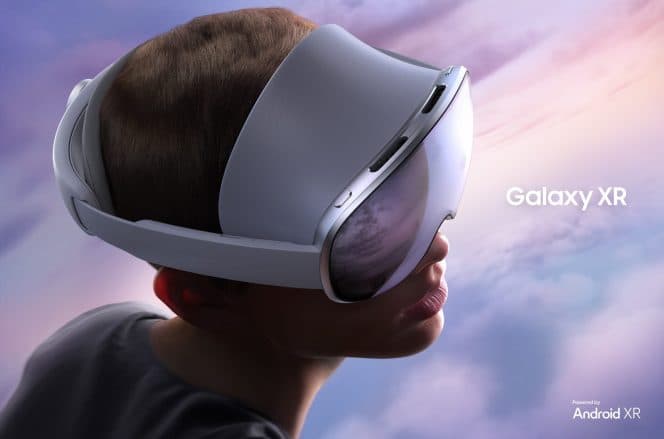
The latest intelligence coming from industry insiders and supply chain leaks paints a picture of a device built for everyday wearability rather than heavy immersive VR. Unlike the bulky Galaxy XR headset (a Vision Pro competitor), these glasses are designed to look and feel like standard eyewear.
1. The Visual Hardware: 12MP Eyes At the heart of the new device is a 12MP camera, likely using a Sony IMX681 CMOS image sensor. This is a critical specification that puts Samsung directly at parity with the Ray-Ban Meta smart glasses.
• Why 12MP? A 12MP sensor is the "Goldilocks" resolution for smart glasses. It is high enough to capture crisp social media content and enable accurate computer vision for AI tasks (like identifying objects), but efficient enough to not drain the tiny battery instantly.
• Video Capabilities: Leaks from the companion app code suggest support for 1080p and even 3K video recording. This would arguably give Samsung an edge in content creation, appealing to the TikTok and Instagram Reels generation who want hands-free POV capture.
2. The "Two-Model" Strategy Perhaps the most intriguing part of the recent leaks is the existence of two distinct model numbers: SM-O200P and SM-O200J.
• The "P" Variant: Industry analysts speculate the "P" could stand for "Photochromic" or "Pro." This model is rumored to feature transition lenses that automatically adjust tint based on ambient light. This addresses a major pain point of current smart glasses—having to swap between sunglasses and clear lenses.
• The "J" Variant: The purpose of this model is less clear. It could be a budget-friendly "Junior" version, a specific regional variant (though both are slated for US/Korea release), or a design-focused collaboration with a fashion house like Warby Parker or Gentle Monster.
Under the Hood: The Technical Skeleton
To understand if these glasses will succeed, we have to look at the silicon driving them. Samsung is reportedly partnering with Qualcomm, utilizing the Snapdragon AR1 Gen 1 (or a customized Gen 2 variant by 2026).
• Processing Power: The AR1 platform is designed specifically for sleek smart glasses. It prioritizes on-device AI processing for audio and image quality while offloading heavy tasks to your smartphone to save power.
• Battery Life: The reported battery capacity is a modest 155mAh. While this sounds small compared to a phone (often 4000mAh+), it is standard for this form factor. The efficiency of the Qualcomm chip and the lack of a power-hungry display (in the base models) means we can likely expect "all-day" standby with sporadic usage, similar to the Meta Ray-Bans.
• Connectivity: Crucially, these devices will not have standalone 5G/LTE. They will rely on Wi-Fi and Bluetooth tethering to a host smartphone. This decision keeps the weight down and the frame thin—essential factors for a device worn on the nose.
The Software Advantage: Android XR & Gemini
Hardware is only half the story. The real killer app for Samsung’s glasses is the software stack: Android XR.
Google has been quietly building a dedicated operating system for Extended Reality, and Samsung is the launch partner.
• Gemini Integration: The glasses will likely feature "multimodal" AI. You won't just talk to an assistant; the assistant will see what you see. Imagine looking at a menu in a foreign language and hearing the translation in your ear, or looking at a broken faucet and asking, "How do I fix this?" with the AI analyzing the visual feed in real-time.
• Circle to Search: We expect features like "Circle to Search" to be adapted for gaze-based interaction. You might look at a landmark and tap the frame to pull up historical facts on your connected phone.
Comparative Analysis: Samsung vs. MetaFeatureSamsung Galaxy Glasses
| Feature | Samsung Galaxy Glasses (Rumored) | Ray-Ban Meta Smart Glasses |
| Camera | 12MP (Sony Sensor) | 12MP Ultra-Wide |
| Lenses | Potential Photochromic (Model P) | Transitions Available |
| AI Engine | Google Gemini (Deep Context) | Meta AI (Llama 3) |
| Ecosystem | Android (Open Integration) | Meta/Facebook (Walled Garden) |
| Audio | Samsung Seamless Codec | Open-Ear Speakers |
| Release | 2026 | Available Now |
The Expert Take: Meta has a massive head start and the "cool factor" of the Ray-Ban brand. However, Samsung has the ecosystem. If you own a Galaxy Watch, a Galaxy Phone, and Galaxy Buds, the glasses will slot seamlessly into that matrix. For example, audio could automatically switch from your glasses to your buds when you step into a noisy train, a level of continuity Meta cannot easily match on Android.
Pros and Cons of the Upcoming Galaxy Glasses Pros:
• Seamless Integration: Native support within the Android ecosystem means easier pairing and deeper app functionality. • Advanced AI: Google’s Gemini is arguably ahead of Meta’s AI in search-based queries and real-world information retrieval. • Design Choice: Multiple models (P and J) suggest options for different user needs (e.g., indoor vs. outdoor use). Cons: • Late Arrival: Launching in 2026 gives Meta two more years to entrench their dominance and release a 3rd generation product. • Battery Constraints: 155mAh is on the lower end; heavy AI usage could drain this in under 2 hours. • Privacy Concerns: A camera on your face always raises questions. Samsung will need robust "capture LEDs" to notify bystanders when they are being recorded.
Essential Tools for Tech Enthusiasts Keeping up with rapid hardware launches and software updates can be overwhelming. Whether you are a developer looking to build for Android XR or an enthusiast tracking the release, here are a few tools to keep in your arsenal: 1. Android Studio: For those interested in the code behind the glasses, the latest Canary builds already include "Glasses" companion app emulators.
2. What Launched Today: A vital resource for discovering the newest tech products and software the moment they drop. You can check whatlaunched.today to see daily rankings of new tools, which is excellent for spotting early third-party apps for the Android XR platform.
3. GSM Arena: The go-to database for comparing granular specifications of the host smartphones that will power these glasses.
The Unique Angle: The "Invisible" Interface While everyone is obsessed with "spatial computing" and holograms (like the Apple Vision Pro), Samsung’s bet on these glasses reveals a different philosophy: Ambient Computing.
The goal isn't to transport you to a virtual world; it's to keep you in the real one while subtly enhancing it. The "P" model with transition lenses suggests Samsung wants you to wear these from the moment you wake up until you sleep. They aren't trying to replace your laptop; they are trying to replace your eyes and ears as the primary input devices for the digital world. By removing the display (rumors suggest these specific models may lack a projection screen), Samsung is prioritizing social acceptability over immersion.
This is a gamble. If they launch a screen-less device in 2026 while competitors are launching AR-enabled visuals, they might look outdated. However, if they nail the voice and vision AI, they could prove that screens are actually a distraction, not a necessity, for smart glasses.
Expert Perspective: The "E-E-A-T" Factor From a strategic standpoint, Samsung is playing the long game. They aren't rushing a buggy prototype to market. By waiting until 2026, they align the hardware release with the maturation of Android XR and Gemini 2.0 (or 3.0). This trustworthiness—releasing a polished product rather than a beta test—is what builds brand loyalty in the hardware space.
However, the risk is "feature creep." We have seen leaks about gesture controls and wink interactions. History (looking at you, Google Glass) teaches us that overly complex inputs on facial wearables fail. Samsung’s success will depend on restraint, not excess.
Conclusion: Should You Wait? If you are an Android user jealous of the Ray-Ban Meta glasses, the answer is a tentative yes. The promise of deep integration with Google Maps, Gemini, and your Galaxy smartphone makes the Samsung glasses a potentially superior utility device.
However, 2026 is a long way off in tech years. If you need smart glasses today for content creation, the current market leaders are excellent. But if you want a device that truly acts as a "second brain" rather than just a camera, keep your eyes on Samsung.
What do you think? Is a 12MP camera enough to make you wear a computer on your face, or does Samsung need to include a holographic display to win your money? Let us know in the comments below.
References & Further Reading: • Samsung Galaxy XR and Android XR Platform Details • Qualcomm Snapdragon AR1 Gen 1 Platform • 9to5Google: Samsung Android XR Glasses Camera Details
Stay informed
Get our latest articles delivered to your inbox.
Related Articles
britannica review
Is britannica worth visiting today? From addictive daily word games to verified historical deep-dives, read our full review of the modern encyclopedia.
The Honeymoon is Over: Threads Just Turned on the Money Printer
Did you really think Mark Zuckerberg was running a charity? Of course not.
[modo.us] Review: Is It Actually Useful or Just Hype?
Is Modo.us the best new social casino or just another coin trap? We spent two weeks testing the "Live Dealer" tables and grinding daily bonuses to see if the payouts are real—and if the $100 cash-out limit is a dealbreaker for casual players.
[claritycheck.com] Review: Is It Actually Useful or Just Hype?
Is ClarityCheck.com a legitimate safety tool or a subscription trap? We tested the reverse phone lookup service with real numbers to see if the data justifies the cost—and uncover the billing practices you need to watch out for.