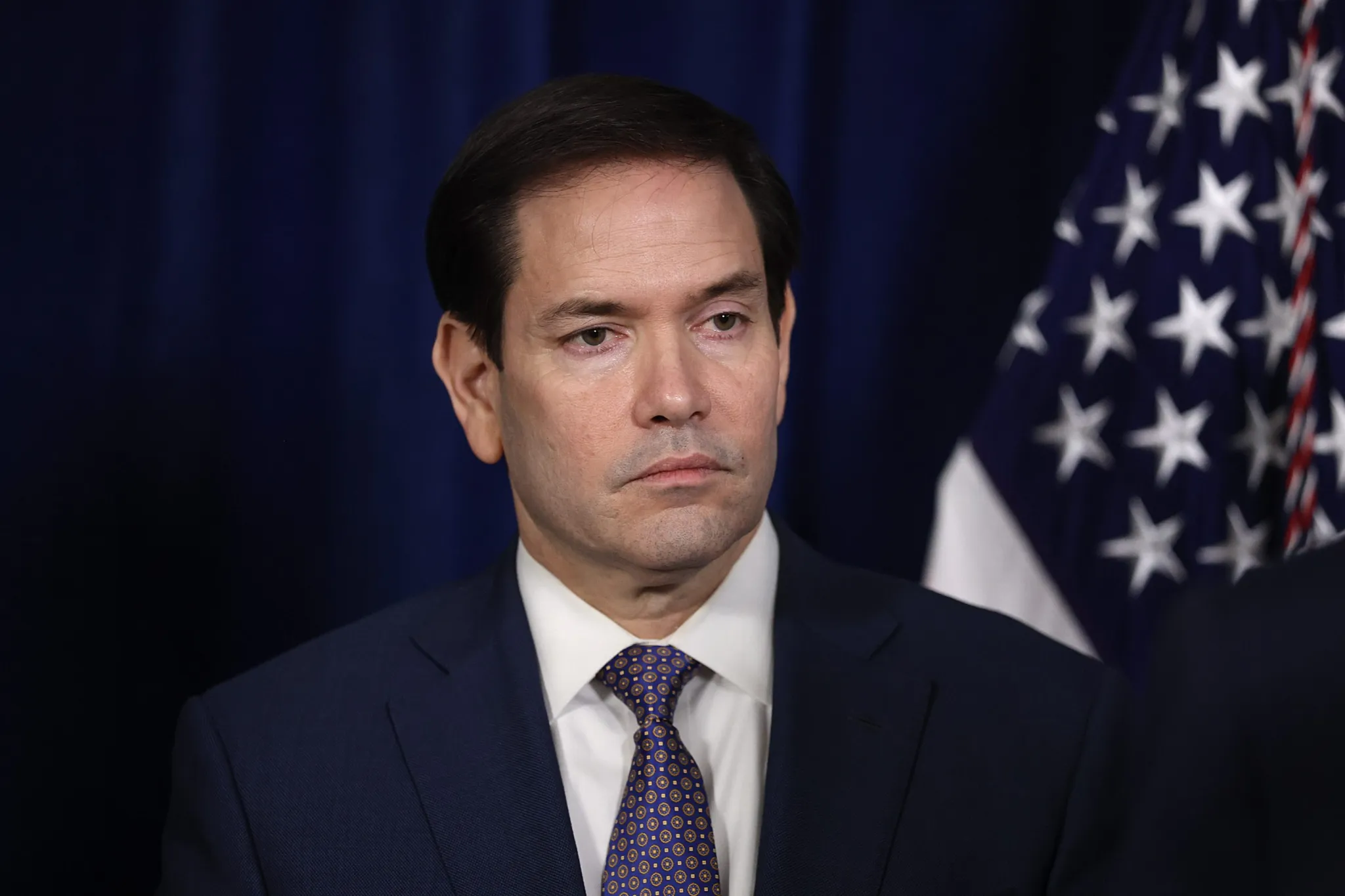
Why Rubio Says the U.S. "Doesn't Need" Venezuelan Oil (But Won't Let China Have It Either)
Following the capture of Nicolás Maduro, Secretary of State Marco Rubio reveals the U.S. strategy isn't about seizing Venezuelan oil for consumption, but enforcing an "oil quarantine." Discover how this blockade is designed to starve the revenue streams of China, Russia, and Iran in the Western Hemisphere.
Following the dramatic U.S. military operation on January 3, 2026, that resulted in the capture of Nicolás Maduro, Secretary of State Marco Rubio has drawn a hard line in the sand. While President Trump declared the U.S. would "run" the country, Rubio clarified the administration’s true endgame on Sunday: The United States doesn't need Venezuela’s oil for itself, but it essentially plans to weaponize it to starve out adversaries.
If you’re wondering why the U.S. is enforcing an "oil quarantine" on a country whose production has plummeted, the answer lies not in gas prices at your local pump, but in a broader strategy to choke off the lifelines of China, Russia, and Iran in our own backyard.
The "Oil Quarantine": A New Kind of Siege
Secretary Rubio appeared on Meet the Press and Face the Nation this Sunday to clarify the administration’s murky "occupation" rhetoric. He pushed back against the idea of a traditional nation-building occupation, instead describing a strategy of "crippling leverage" through an oil blockade.
The mechanism is simple but brutal:
- Seize the Ships: The U.S. Navy and Coast Guard are enforcing existing sanctions by seizing boats carrying Venezuelan oil.
- Starve the Revenue: By cutting off the flow of oil—Venezuela’s economic oxygen—the U.S. aims to force immediate policy changes from the remaining regime officials.
- The "Quarantine": Rubio termed this an "oil quarantine," effectively locking down the country’s main export until specific conditions are met: the expulsion of Iranian and Hezbollah operatives and the end of drug trafficking routes.
"We don’t need Venezuela’s oil," Rubio stated flatly. "What we’re not going to allow is for the oil industry in Venezuela to be controlled by adversaries of the United States."
The Adversary Angle: China, Russia, and Iran
The media often focuses on the humanitarian crisis, but for the State Department, this is a security issue. Rubio’s doctrine is clear: The Western Hemisphere is off-limits to rival powers.
1. China’s Shadow Supply Line
China has long been the largest buyer of Venezuelan oil, often importing it through "shadow fleets" and rebranding it as Malaysian crude to bypass sanctions. Reports indicate that private Chinese firms like China Concord Resources Corp have invested over $1 billion into Venezuelan oil fields to secure supply. Rubio’s blockade directly severs this energy artery, forcing Beijing to look elsewhere or confront the U.S. Navy.
2. The Russian Connection
This is where the strategy gets particularly savvy. Venezuelan heavy crude is a close substitute for Russian oil. By controlling—or shutting in—Venezuelan production, the U.S. denies Russia a strategic partner in the region. Furthermore, if Venezuelan oil eventually returns to the legal market under U.S. oversight, it could dilute Russia's pricing power in Asia, hitting the Kremlin’s war chest.
3. The Iranian Nexus
Rubio explicitly called out the presence of Iran and Hezbollah, describing Venezuela as a "crossroads" for these adversaries. The "oil quarantine" is designed to stop the flow of petrodollars that has allegedly funded these networks in Latin America.
Expert Perspective: The Geopolitical Checkmate
While Rubio claims the U.S. "doesn't need" the oil, the reality is more nuanced. This isn't just about denial; it's about strategic optionality.
- The Refining Match: The U.S. Gulf Coast refineries are actually the best in the world at processing the heavy, sour crude that Venezuela produces. While we are energy independent thanks to shale, our refineries still crave this specific type of oil.
- The "Switch" Strategy: By physically controlling the waters around Venezuela, the U.S. effectively holds the spigot. We can keep it closed to bankrubt the remnants of the Maduro regime, or we can eventually open it to flood the market, lowering global prices and hurting rival producers like Russia and Iran.
The Bottom Line: This operation proves that in 2026, energy dominance isn't just about how much oil you produce—it's about whose oil you can control. Rubio is betting that the U.S. can withstand the chaos of a collapsed state better than our adversaries can withstand the loss of a strategic foothold in the Americas.
What Comes Next?
President Trump has stated that Venezuelan Vice President Delcy Rodríguez is "willing to cooperate," but the situation remains volatile. With the "oil quarantine" in full effect, the next few weeks will determine if this pressure campaign leads to a democratic transition or a chaotic power vacuum.
One thing is certain: The days of adversaries using Venezuela as a gas station and a forward operating base are over.
Rubio details the operation to capture Maduro and explains the strategic reasoning behind the "oil quarantine" to deny adversaries access to Venezuelan resources.
Stay informed
Get our latest articles delivered to your inbox.
Related Articles
Artemis II Explained: Why NASA’s Next Moon Mission Won't Touch the Lunar Surface
Discover why NASA is choosing a flyby over a landing and how this high-stakes test drive paves the way for a permanent lunar presence.
Audio’s Red Carpet Moment: The Golden Globes Finally Bend the Knee to Podcasting
The Golden Globes have finally added a podcast category, signaling a massive shift in Hollywood's hierarchy. Here is why this isn't just about trophies—it's about the industry's obsession with audio IP as the new gold rush.
The Caliphate Ghost: Why the US Just Dropped 40 Tons of Ordnance on a "Defeated" Enemy
The US military's latest airstrikes in Syria aren't just about neutralizing ISIS remnants—they expose a fragile containment strategy teetering on the edge of failure. Here is why Washington is still dropping bombs on a "defeated" enemy seven years later.
The Man Who Skated Through the Apocalypse: Why T.K. Carter Mattered
T.K. Carter, best known as the boombox-toting Nauls in John Carpenter’s sci-fi classic The Thing, has died at 69. A career chameleon who moved effortlessly between sitcom warmth and gritty drama, Carter defied the "expendable" tropes of 80s horror to leave an indelible mark on Hollywood history.